

In today’s fast-paced digital era, E-Learning Platforms have completely changed the way we learn and grow. No longer limited to traditional classrooms, learners can now access thousands of online courses, video tutorials, and interactive lessons right from their laptop, tablet, or even smartphone. This has made education more accessible than ever before.
One of the biggest advantages of E-Learning Platforms is flexibility. Students and professionals can learn anytime, anywhere, and at their own pace. Whether you want to improve your career skills, prepare for exams, or simply explore a new hobby, online learning provides endless opportunities.
Another reason why E-Learning is gaining popularity is affordability. Compared to in-person training or university programs, most platforms offer high-quality courses at a lower cost, and some even provide free content. Plus, learners can choose from a wide variety of topics—ranging from business, technology, and marketing to art, music, and personal development.
Ultimately, E-Learning Platforms are more than just an alternative to traditional education; they represent the future of learning. They empower people of all ages to upgrade their skills, achieve goals, and unlock new opportunities without boundaries.
What Are E-Learning Platforms?
E-Learning Platforms are digital tools or websites that provide education and training through the internet. Instead of attending a physical classroom, learners can access courses, lessons, and resources from anywhere, anytime—using a computer, tablet, or smartphone. This makes learning more flexible and inclusive for people all over the world.
These platforms function like virtual schools or universities, but with added convenience. A typical E-Learning Platform usually includes:
- Video Lectures – Pre-recorded or live lessons taught by qualified instructors.
- Reading Materials – E-books, articles, and notes that support the course content.
- Interactive Tools – Quizzes, exercises, or assignments to help learners practice and improve.
- Certificates – Many platforms issue official certificates or diplomas after course completion, which can boost career opportunities.
- Community Interaction – Discussion forums, chat groups, or peer feedback to create a sense of collaboration.
- Unlike traditional learning, which follows a fixed schedule and curriculum, E-Learning Platforms allow learners to set their own pace. For example, a university student can take online coding lessons after class, or a working professional can learn digital marketing skills in the evening without quitting their job.
- E-Learning Platforms also cover a wide range of topics. From academic subjects like math and science to practical skills like photography, design, or business management, there’s something for everyone. Some platforms even offer language learning, exam preparation, and corporate training.
- In short, an E-Learning Platform is a bridge between knowledge and learners. It breaks down barriers of distance, cost, and time, making quality education accessible to anyone who has the motivation to learn.
Benefits of E-Learning Platforms
E-Learning Platforms have transformed education by offering advantages that traditional classrooms often cannot provide. They combine flexibility, accessibility, and affordability, making them an essential tool for modern learners. Below are the key benefits explained in detail:
Flexibility and Convenience
One of the greatest strengths of E-Learning is its flexibility. Learners are no longer restricted by classroom schedules or physical locations. They can study at any time of day, from any location, and on the device that suits them best. This approach works particularly well for:
- Students who want to supplement school or university studies.
- Professionals seeking to balance work with further education.
- Parents or busy individuals who only have small blocks of time available for study.
For example, a working engineer can take a programming course online after office hours without commuting to an institution.
Wide Range of Courses and Subjects
- E-Learning Platforms provide an enormous variety of subjects. Whether someone is interested in business, science, arts, languages, or even specialized fields such as artificial intelligence or photography, there is always a course available. Unlike traditional education, which may have limited options, online learning offers both mainstream and niche subjects.
For instance, Coursera offers advanced degree-level courses from top universities, while Skillshare provides practical classes in creative fields such as design, illustration, and filmmaking.
Cost-Effective Education
- Education costs have risen globally, making it difficult for many people to afford traditional schooling. E-Learning Platforms help bridge this gap by providing affordable alternatives. Many courses are free or priced much lower than in-person training programs. Additionally, there are no travel, accommodation, or material costs, which makes learning more accessible.
For example, Udemy frequently offers discounted courses, while Khan Academy provides an entire library of free educational resources.
Learn at Your Own Pace
- Every learner has a unique pace. Some grasp concepts quickly, while others need more time. Traditional classrooms often do not accommodate these differences. E-Learning solves this by allowing students to revisit lessons, pause lectures, and review materials as often as necessary. This personalized experience encourages deeper understanding and better retention of knowledge.
For example, a student struggling with mathematics can replay a video lesson several times until the concept is clear, without feeling pressured to keep up with a class.
Global Access and Opportunities
- E-Learning removes geographical barriers. Learners from one part of the world can easily access high-quality education from top institutions across the globe. This opens doors to international knowledge and opportunities without requiring relocation.
For example, through platforms such as edX, learners can take courses from prestigious universities like Harvard, MIT, or Oxford while studying from their homes.
Career Growth and Professional Development
- Many E-Learning Platforms issue certificates and diplomas that are recognized by employers. These certifications strengthen resumes and can increase job prospects. Furthermore, the ability to continuously update skills ensures that professionals remain competitive in rapidly changing industries.
For instance, someone who completes a Google IT Support certification through Coursera may be able to qualify for new career opportunities in the technology sector.
Interactive and Engaging Learning
- Modern platforms use interactive methods such as quizzes, gamification, assignments, and discussion boards to keep learners engaged. This combination of multimedia elements makes learning more dynamic and enjoyable compared to traditional textbooks.
Environmentally Friendly
- Since online learning reduces paper usage, transportation, and infrastructure requirements, it has a smaller environmental footprint. This makes it not only cost-effective but also a sustainable way of acquiring knowledge.
Summary
- E-Learning Platforms are valuable because they provide flexibility, accessibility, and affordability. They empower learners to take control of their education, pursue their personal or professional goals, and access knowledge that might otherwise be unavailable.
Limitations of E-Learning Platforms
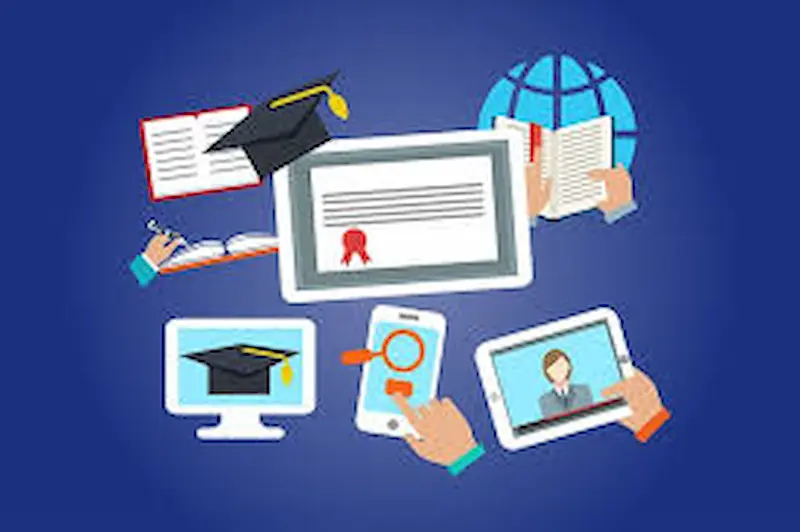
Although E-Learning Platforms have revolutionized education, they are not without shortcomings. Online learning provides flexibility and accessibility, but it also presents challenges that can affect the overall learning experience. Understanding these limitations is important for both learners and educators to make the most of digital education.
Lack of Face-to-Face Interaction
- Traditional classrooms provide a social environment where students can interact with teachers and classmates, ask spontaneous questions, and engage in real-time discussions. In contrast, online platforms often limit communication to text chats, discussion forums, or scheduled video calls. This reduced human connection can make some learners feel isolated and disconnected from the learning process.
- Example: A student learning a new language online may miss out on the natural conversational practice they would have in a physical classroom.
Requires High Self-Discipline and Motivation
- E-Learning places much of the responsibility on the learner. Without a structured classroom environment, students must set their own schedules, stay focused, and complete assignments on time. For people who struggle with procrastination or poor time management, this can result in unfinished courses and wasted resources.
- Example: Studies show that completion rates for online courses are significantly lower than traditional courses because many learners lose motivation halfway through.
Dependence on Technology and Internet Access
- A reliable internet connection and modern devices are essential for online learning. Learners in rural areas or regions with weak infrastructure may face frequent disruptions. In addition, not everyone can afford high-quality laptops or tablets, which creates inequality in access.
- Example: During the COVID-19 pandemic, millions of students around the world faced difficulties continuing their studies due to lack of stable internet or appropriate devices.
Limited Practical or Hands-On Experience
- Some subjects, such as medicine, engineering, or performing arts, require physical practice, experiments, or face-to-face guidance. While virtual labs and simulations are useful, they often cannot fully replace real-world experiences. This makes online learning less effective for skills that depend heavily on hands-on practice.
- Example: A medical student can study anatomy through videos but still requires real-life dissections and clinical practice to gain competence.
Quality Differences Between Platforms
- The quality of E-Learning Platforms varies widely. While some courses are developed by universities and industry experts, others may lack depth, structure, or accuracy. Since anyone can create and sell a course on certain platforms, learners must carefully evaluate the credibility of instructors and reviews before enrolling.
- Example: On platforms like Udemy, course quality ranges from world-class content to beginner-level guides with little academic rigor.
Screen Fatigue and Health Concerns
- Spending long hours in front of a computer or mobile screen can cause eye strain, headaches, and posture-related problems. Unlike physical classrooms that encourage movement and face-to-face interaction, online learning often keeps learners isolated and sedentary for extended periods. This can negatively impact both physical and mental health.
Lack of Accreditation or Recognition
- Not all certificates from E-Learning Platforms are officially accredited or recognized by employers, universities, or government bodies. While some certifications, like those from Coursera or Google, are valuable in the job market, others may carry little weight. This inconsistency can make it difficult for learners to know which courses will truly benefit their career.
Limited Networking Opportunities
- In traditional classrooms or workshops, students build relationships with peers, professors, and professionals, which can lead to valuable networking opportunities. Online learning often limits this type of connection, making it harder to build professional contacts or collaborate on group projects.
Popular E-Learning Platforms
There are many E-Learning Platforms available today, each offering unique features, course styles, and benefits. Below are some of the most widely used platforms across the world:
Coursera
Coursera partners with top universities and institutions to provide high-quality courses, professional certificates, and even full degree programs. Many of its courses are designed by professors from institutions like Stanford, Yale, and the University of London. Coursera is particularly popular among professionals who want recognized credentials.
- Best for: University-level courses and professional certificates
- Example: Google IT Support Professional Certificate, MasterTrack programs
Udemy
Udemy is one of the largest online learning marketplaces, offering over 200,000 courses in a wide variety of subjects. Since anyone can create and publish a course, the platform covers everything from technical skills like coding and web development to lifestyle topics such as cooking and photography. Udemy often runs promotions that make courses highly affordable.
- Best for: Affordable, diverse courses in almost any topic
- Example: Web Development Bootcamp, Photography Essentials
edX
Founded by Harvard and MIT, edX offers university-level courses, micro-degrees, and professional certificates. Many of its programs are free to audit, with paid options for certificates. It’s ideal for learners who want academic-level education without physically attending a university.
- Best for: Academic and degree-level online learning
- Example: MicroMasters in Data Science, Computer Science Fundamentals
Skillshare
Skillshare is geared towards creative and practical skills. It uses a subscription model where learners get unlimited access to all courses for a monthly or yearly fee. Popular categories include graphic design, illustration, video editing, writing, and entrepreneurship. Courses are usually short and project-based, making them engaging and hands-on.
- Best for: Creative professionals and hobbyists
- Example: Classes on animation, logo design, or productivity hacks
Khan Academy
Khan Academy is a non-profit platform that provides free educational resources for learners of all ages. It is particularly well-known for school-level subjects such as mathematics, science, history, and economics. The platform is widely used by students, teachers, and parents as a supplemental learning tool.
- Best for: Free K-12 education and exam preparation
- Example: Math practice for elementary to high school students
LinkedIn Learning (formerly Lynda.com)
LinkedIn Learning focuses on professional development and career-oriented courses. It offers thousands of video tutorials on business, technology, leadership, and workplace skills. Courses are integrated with LinkedIn profiles, allowing learners to showcase their completed certifications to potential employers.
- Best for: Career development and workplace skills
- Example: Courses on leadership, Excel, and digital marketing
FutureLearn
FutureLearn is a UK-based platform offering short courses, professional certificates, and degree programs in partnership with global universities and organizations. It has a strong focus on collaboration, encouraging learners to discuss topics with peers throughout each course.
- Best for: Social learning and university collaborations
- Example: Online healthcare, law, and business programs
you may also like to read these posts;
Active Recall: Boost Memory and Learn Faster
Pomodoro Technique: Boost Focus and Productivity
Top Note-Taking Strategies to Learn Faster and Remember More
Time Management for Students: Tips for Success
Active Recall: Boost Memory and Learn Faster
Tips for Choosing the Right E-Learning Platform
With so many E-Learning Platforms available, choosing the right one can be overwhelming. Each platform has its own strengths, target audience, and learning style. Here are some key factors to consider before making a decision:
Define Your Learning Goals
Start by asking yourself: What do I want to achieve?
- If you are aiming for career advancement, look for platforms that provide professional certificates or industry-recognized credentials (e.g., Coursera, LinkedIn Learning).
- If you want to explore hobbies or creative skills, a platform like Skillshare may be more suitable.
- For academic learning or degree-level courses, edX and FutureLearn are strong options.
Clearly identifying your goals will help narrow down the choices.
Check the Credibility of Instructors and Courses
- Not all online courses are created equal. Make sure the instructors have the right qualifications and experience. Reputable platforms often collaborate with universities, companies, or certified professionals, which adds credibility to the content.
For example, a data science course taught by a professor from MIT or a program designed by Google carries much more weight than a generic course without clear authorship.
Read Reviews and Ratings
- Before enrolling, check the reviews and ratings given by past learners. These provide valuable insights into the course quality, teaching style, and usefulness of the material. Reviews can help you avoid wasting time and money on poorly designed courses.
Compare Pricing and Value
While many platforms offer free or low-cost options, others can be more expensive. Compare the pricing models:
- Subscription-based (e.g., Skillshare, LinkedIn Learning)
- Pay-per-course (e.g., Udemy)
- Free with optional paid certificates (e.g., edX, Coursera audit option)
Choose the one that gives you the best value for your money based on your learning frequency and needs.
Explore Free Trials or Free Versions
- Many E-Learning Platforms allow you to audit courses for free or offer trial periods. Take advantage of these opportunities to experience the platform before committing financially. This helps ensure the teaching style and features match your preferences.
Consider Platform Features and Learning Style
Some platforms provide interactive tools such as quizzes, forums, and group projects, while others focus more on video lectures. Think about the style of learning that suits you best:
- Do you prefer structured academic lessons? (Coursera, edX)
- Do you like short, project-based classes? (Skillshare)
- Do you want real-time interaction with instructors? (FutureLearn live classes)
Matching your learning style with the platform’s teaching method improves effectiveness.
Look for Recognized Certification (if needed)
- If your main goal is professional development, check whether the platform’s certificate is widely accepted by employers or institutions. For example, certifications from Coursera, edX, or LinkedIn Learning are more likely to be recognized compared to smaller, independent platforms.
The Future of E-Learning Platforms
E-Learning Platforms have already reshaped the way people access education, but their future holds even greater potential. With the rapid growth of technology, online learning is expected to become more immersive, personalized, and accessible. Here are some key trends that will shape the future of E-Learning:
Artificial Intelligence (AI) and Personalized Learning
AI will play a major role in tailoring learning experiences to individual needs. Instead of following a one-size-fits-all curriculum, platforms will analyze learner behavior, strengths, and weaknesses to recommend customized study paths.
- Example: AI-driven tutors can provide instant feedback, suggest additional resources, and adjust lesson difficulty in real time.
Virtual Reality (VR) and Augmented Reality (AR)
VR and AR will make online learning more immersive by simulating real-world environments. Students will not just watch lessons—they will interact with them.
- Example: Medical students could practice surgeries in a virtual lab, or history students could explore ancient civilizations through virtual field trips.
Blended Learning Models
- The future will likely combine online and offline learning in what is known as “blended learning.” This approach allows learners to benefit from the flexibility of digital education while still enjoying in-person interaction and hands-on practice when necessary.
Lifelong Learning and Upskilling
As industries evolve, professionals will need to continuously update their skills to stay competitive. E-Learning Platforms will become central to lifelong education, offering micro-courses, certifications, and skill-based training for every stage of a person’s career.
- Example: Workers in technology or digital marketing may take short online courses every year to keep pace with new tools and trends.
Global Collaboration and Community Learning
- Future E-Learning Platforms will encourage more collaboration across borders. Learners from different countries will work on group projects, share experiences, and exchange cultural insights, creating a truly global classroom.
Greater Accessibility and Inclusivity
- Advancements in technology will make online education more accessible to people with disabilities. Features like speech-to-text, screen readers, and adaptive learning tools will ensure inclusivity, while expanding internet access will bring education to underserved communities worldwide.
Recognition of Online Credentials
- As more companies and universities embrace digital education, online certificates and degrees will gain wider recognition. Employers are increasingly valuing skills and practical knowledge over traditional diplomas, which will further boost the credibility of E-Learning Platforms.
What is an E-Learning Platform?
An E-Learning Platform is an online system or website that provides digital courses, lessons, and resources for learners. It allows people to study anytime and anywhere using the internet.
Are E-Learning Platforms better than traditional learning?
Not necessarily better, but different. E-Learning Platforms offer flexibility, affordability, and a wide variety of subjects. However, traditional learning provides face-to-face interaction and hands-on experiences. The best choice depends on individual needs.
Do E-Learning Platforms provide certificates?
Yes, many platforms like Coursera, edX, and LinkedIn Learning provide certificates upon completion of courses. Some certificates are recognized by universities and employers, while others serve as proof of skill development.
Are E-Learning Platforms free to use?
Some platforms are completely free or allow auditing of courses without cost. Others may charge a subscription fee or require payment for certificates and premium content. For example, Udemy offers pay-per-course, while Skillshare uses a subscription model.
How do I choose the right E-Learning Platform for me?
Consider your learning goals, budget, and preferred style of learning. Check course quality, instructor expertise, reviews, and whether certificates are recognized. Free trials are a great way to test before committing.
Can E-Learning Platforms be used for professional development?
Absolutely. Many professionals use online learning to upgrade skills, earn industry-recognized certificates, and stay competitive in their careers. Companies also use E-Learning Platforms for employee training.
Conclusion
E-Learning Platforms have transformed the way we access education by making it more flexible, affordable, and widely available. From academic courses to professional training and personal skill development, these platforms offer opportunities for learners of all ages. While they do have limitations, the benefits far outweigh the challenges, especially as technology continues to improve.
As the future of education moves toward AI, VR, AR, and global collaboration, E-Learning will play an even greater role in shaping how we learn and grow. Whether you are a student, a professional, or simply a curious learner, choosing the right platform can open doors to endless possibilities.


