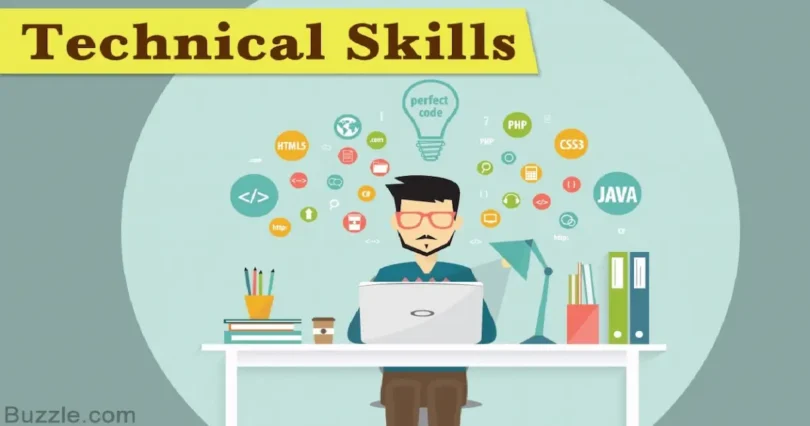

Have you ever been scrolling through a job description and suddenly felt overwhelmed by all the tools, apps, or software it listed? Maybe it said you need to know Excel, Google Analytics, Photoshop, or even a programming language. At that moment, you probably thought, “Wow, do I really need to know all this?”
That’s exactly where technical skills come in. These are the practical abilities and specialized knowledge that help you get tasks done—whether it’s analyzing data, designing graphics, coding a website, or even something as simple as managing files in Google Drive.
They’re no longer “extra” or “nice-to-have.” In today’s fast-moving, tech-driven job market, technical skills are essential for standing out and staying relevant.
Here’s an easy way to think about it: soft skills (like communication, teamwork, or leadership) show how you work with people. Technical skills, on the other hand, prove what you can actually do. For example, being a good communicator might help you explain a marketing idea, but knowing how to use Google Analytics shows you can track the results of that idea in real numbers.
Why Are Technical Skills Important?

Here’s the truth—no matter what industry you’re in, technical skills are the backbone of productivity.
- They make you employable. Employers want people who can hit the ground running.
- They boost efficiency. The right technical skills help you complete tasks faster and smarter.
- They future-proof your career. Technology is always changing. Developing technical skills ensures you stay relevant.
- They increase your earning potential. High-demand skills like data analysis or AI can land you higher salaries.
For example, an entry-level job might require you to use Google Drive or Excel, while a senior role could demand expertise in programming languages, cybersecurity, or advanced data analytics.
Types of Technical Skills
Technical skills aren’t one-size-fits-all—they vary depending on your industry. Let’s break them down:
1. Computer and Digital Skills
- Using spreadsheets (Excel, Google Sheets)
- Managing files in cloud storage (Google Drive, Dropbox)
- Basic troubleshooting and IT support
2. Programming and Development Skills
- Coding languages (Python, Java, C++, JavaScript)
- Web development (HTML, CSS, React)
- Software engineering and app development
3. Data and Analytics Skills
- Database management (SQL, MongoDB)
- Data visualization (Power BI, Tableau)
- Statistical analysis (R, SAS, SPSS)
4. Technical Writing and Documentation
- Writing manuals, reports, or training materials
- Creating step-by-step user guides
- Documenting software processes
5. Design and Creative Tools
- Graphic design (Adobe Photoshop, Illustrator, Canva)
- UI/UX design (Figma, Sketch)
- Video editing (Premiere Pro, Final Cut Pro)
6. Engineering and Mechanical Skills
- CAD (Computer-Aided Design)
- Mechanical system operations
- Electrical troubleshooting
7. Cybersecurity Skills
- Network security basics
- Ethical hacking
- Risk analysis and compliance
8. Generative AI and Emerging Technologies
One of the fastest-growing technical skills is Generative AI (GenAI). It’s not just for tech professionals—marketers, writers, teachers, and even healthcare workers are finding ways to use AI tools for efficiency.
- Learning how to create effective prompts
- Automating workflows with AI tools
- Using ChatGPT, MidJourney, or other GenAI platforms
You may also like to read this:
Top 10 Communication Skills & How To Improve Them
12 Essential Leadership Training Topics To Master
Why Problem-Solving Is Essential For Managers To Succeed
Effective Time Management Skills To Stay Focused Daily
Examples of Technical Skills by Industry

To make it easier, here’s what technical skills often look like in different fields:
- Marketing: SEO, Google Analytics, social media tools, content management systems (WordPress, HubSpot)
- Healthcare: Electronic health records (EHR), diagnostic equipment, medical coding
- Finance: Excel modeling, accounting software (QuickBooks, SAP), risk analysis
- Education: Learning management systems (Moodle, Blackboard), digital collaboration tools, online teaching software
- IT & Tech: Cloud computing (AWS, Azure, Google Cloud), programming, cybersecurity
- Design & Media: Photoshop, Illustrator, video editing, UI/UX design
How to Develop Technical Skills
The good news? You don’t need to go back to college to develop technical skills. Here’s how you can start today:
- Take Online Courses
Platforms like Coursera, Udemy, LinkedIn Learning, and Google Skillshop offer flexible, affordable options. - Practice Consistently
The best way to learn is by doing. Use Excel to manage your budget, try coding small projects, or practice design with Canva. - Get Certified
Certifications build credibility. For example:
- Google Analytics Certification (for marketing professionals)
- AWS Certified Solutions Architect (for IT professionals)
- Microsoft Excel Specialist Certification
- Google Analytics Certification (for marketing professionals)
- Work on Real Projects
Apply your skills to internships, side projects, or even volunteer work. Practical experience shows employers you can handle real challenges. - Stay Updated
Technology evolves daily. Follow industry blogs, podcasts, or newsletters to keep up with the latest trends.
The Future of Technical Skills
One of the most exciting trends is how Generative AI is reshaping technical skills. From creating marketing content to analyzing huge data sets, AI is becoming part of everyday work.
Learning AI tools now is like learning Excel in the 1990s—it’s going to be a universal skill in the coming years. For example, Google’s Prompting Essentials Specialization teaches you five steps to write effective prompts—a simple but powerful skill that can boost your productivity across jobs.
How to Showcase Technical Skills on Your Resume
Listing skills is one thing—but proving them is what sets you apart. Here’s how to do it:
Create a Skills Section – List your strongest technical skills in a dedicated section.
Tailor Skills to the Job – Use the exact keywords from the job description.
Show Proof in Experience – For example:
- “Used Excel PivotTables to analyze sales data and identify a 15% increase in revenue trends.”
- “Developed a Python script that automated data entry, saving 10 hours weekly.”
Add Certifications – If you’ve earned any certifications (like Google Analytics, AWS, or Microsoft Excel), include them under skills or education.
Tips for Improving Technical Skills Quickly
If you’re just starting or feel behind, here’s a quick roadmap:
- Pick One Skill at a Time – Don’t try to learn everything at once. Focus on one skill that’s most valuable for your career.
- Learn by Doing – If you want to learn Excel, don’t just watch videos—start using it for real projects.
- Find Free Resources – YouTube tutorials, blogs, and free certifications (like Google Digital Garage) are great starting points.
- Network & Collaborate – Join online communities (LinkedIn groups, Reddit forums) where you can ask questions and share knowledge.
- Stay Consistent – 30 minutes a day is more effective than 5 hours once a month.
Final Thoughts
At the end of the day, technical skills are the foundation of career success. They’re what help you turn knowledge into action, ideas into results, and opportunities into growth.
Start by identifying the skills most valuable in your field, then build them step by step. Whether it’s mastering spreadsheets, coding a website, or exploring generative AI, every skill you learn increases your value in the workplace.
Remember: careers don’t grow by chance—they grow by skill. And technical skills are your ticket to staying ahead in the modern workforce.
FAQs
1. What are technical skills?
Technical skills are specialized abilities and knowledge required to perform specific tasks, often involving tools, software, or technology. Examples include Excel, programming, data analysis, and even generative AI skills like prompt writing.
2. Why are technical skills important?
They’re important because they prove you can actually do the work. While soft skills show how you interact, technical skills demonstrate your ability to use tools, solve problems, and deliver results. They also increase your career opportunities and earning potential.
3. What are some examples of basic technical skills?
Basic technical skills include:
Microsoft Office (Word, Excel, PowerPoint)
Google Workspace (Docs, Sheets, Drive)
Email and calendar management
Basic IT troubleshooting
4. What are high-paying technical skills to learn?
Some of the most in-demand, high-paying technical skills right now are:
Data analysis (SQL, Tableau, Power BI)
Cloud computing (AWS, Azure, Google Cloud)
Cybersecurity
Programming (Python, Java, JavaScript)
Generative AI and prompt engineering
5. How can I improve my technical skills?
You can improve by:
Taking online courses (Coursera, Udemy, LinkedIn Learning)
Practicing on real projects
Getting certified
Watching tutorials and reading blogs
Staying updated with industry trends


