Introduction
Choosing the right career is one of the most important decisions in a person’s life. It shapes not only professional growth but also personal fulfillment, financial stability, and overall life satisfaction. A well-chosen career can lead to a sense of purpose and long-term success, while a poorly matched one may result in dissatisfaction and frequent job changes.
However, making this decision is not always easy. Many individuals—especially students and young professionals—face confusion due to a lack of self-awareness, pressure from family or society, an overwhelming number of options, or limited knowledge about various career paths. As industries evolve and new fields emerge, the decision becomes even more complex.
This is where career counselling plays a critical role. It provides expert guidance to help individuals understand their interests, strengths, and values, and match them with suitable career paths. Through assessments, one-on-one discussions, and up-to-date industry insights, career counselling empowers people to make informed and confident decisions about their future.
What is Career Counselling?
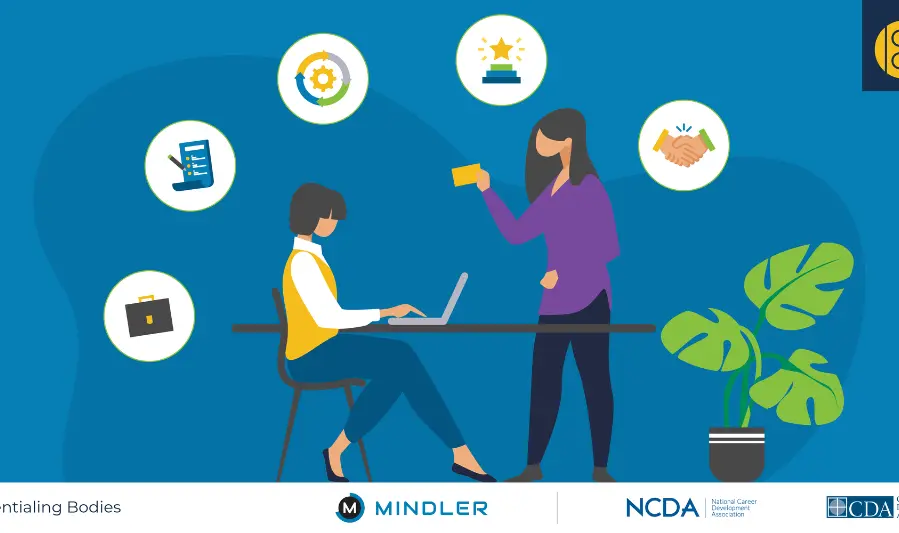
Career counselling is a structured and professional process designed to help individuals make informed decisions about their education, career paths, and long-term goals. It involves assessing a person’s interests, skills, values, and personality to guide them toward careers that align with who they are and what they want to achieve.
Purpose of Career Counselling
The main goal of career counselling is to:
- Provide clarity and direction in career planning
- Help individuals explore suitable career options
- Support decision-making based on personal strengths and market realities
- Reduce confusion, stress, and indecision regarding career choices
Who Provides Career Counselling?
Career counselling is typically offered by trained professionals such as:
- Career Counsellors – Experts with formal training in psychology, education, or career development who use assessment tools and career planning frameworks.
- Career Coaches – Professionals who focus on strategy, motivation, and skill development, often for adults or working professionals.
- Mentors – Experienced individuals in a specific field who offer guidance based on their own career journeys (more informal, but still valuable).
Counselling vs. General Advice
Unlike casual advice from friends or family, career counselling is objective, personalized, and based on professional assessments and insights. General advice may be well-intentioned but can be biased, outdated, or not tailored to the individual’s needs.
Who Needs Career Counselling?

Career counselling isn’t just for students—it’s valuable at any stage of life when someone is uncertain about their professional direction. It helps individuals make well-informed, confident decisions that align with their goals and strengths.
1. High School or College Students
Young people often struggle with choosing the right academic stream or college course. Career counselling helps them:
- Identify their interests and strengths
- Explore career options aligned with their personality
- Make informed decisions about subjects, degrees, and future paths
2. Recent Graduates
Fresh graduates entering the job market may feel overwhelmed by choices or unsure where to start. Career counselling can:
- Clarify job roles suited to their qualifications
- Offer guidance on building a resume, preparing for interviews, and job searching
- Help set short- and long-term career goals
3. Professionals Considering a Career Switch
People often feel the need to change careers due to burnout, lack of growth, or changing interests. Counselling supports them by:
- Evaluating transferable skills
- Exploring alternative careers
- Creating a practical transition plan
4. Anyone Feeling Stuck or Unsatisfied
Even those with established careers may feel unfulfilled or unsure of their next move. Career counselling can provide:
- Fresh perspective and clarity
- Motivation and direction
- Tools to overcome career stagnation
Key Benefits of Career Counselling
Career counselling provides structured support and expert guidance to help individuals make informed, confident, and satisfying career choices. Here are some of the most important benefits:
1. Self-Awareness
Career counselling helps individuals gain a deeper understanding of themselves by identifying:
- Interests and passions
- Strengths and weaknesses
- Personality traits and core values
This self-awareness is essential for making career choices that align with who you are—not just what sounds appealing or popular.
2. Exploring Aligned Career Options
With guidance from a counsellor, individuals can explore a wide range of career paths that fit their unique profile. This includes:
- Learning about emerging industries and job roles
- Understanding which careers match their skills and interests
- Discovering alternative paths they may not have considered
3. Setting Realistic Goals and Planning Ahead
Career counselling supports individuals in:
- Setting short-term and long-term career goals
- Mapping out an actionable plan to achieve them
- Understanding educational or skill-building steps required
This planning reduces the likelihood of wasted time, money, or effort.
4. Reducing Stress and Confusion
Uncertainty about the future can cause significant anxiety. Career counselling provides:
- Clarity in the decision-making process
- Reassurance through expert advice
- Tools and strategies to handle career-related challenges
5. Boosting Confidence in Decision-Making
By combining personal insights with professional guidance, career counselling empowers individuals to:
- Make informed, confident choices
- Communicate their goals clearly to others (e.g., family, mentors, employers)
- Move forward with a sense of direction and purpose
Tools and Techniques Used in Career Counselling
Career counselling involves a range of tools and techniques designed to help individuals understand themselves better, explore career options, and make well-informed decisions. These methods are tailored to each person’s unique situation and goals.
1. Psychometric Tests
These are standardized assessments used to evaluate key aspects of an individual’s profile:
- Aptitude Tests: Measure logical reasoning, numerical ability, verbal skills, and more to determine suitable career fields.
- Personality Tests: Help identify traits, preferences, and working styles (e.g., introvert vs. extrovert), often using tools like the MBTI or Big Five.
- Interest Inventories: Assess what types of activities or professions naturally attract the individual, guiding them toward fields they’re likely to enjoy.
2. One-on-One Sessions and Goal-Setting
Career counsellors conduct personalized discussions to:
- Interpret test results
- Understand the individual’s background, concerns, and aspirations
- Set realistic short- and long-term career goals
- Create step-by-step action plans
These sessions offer clarity and encouragement in a safe, non-judgmental environment.
3. Career Mapping and Planning
Career mapping helps individuals visualize possible career paths based on:
- Current education or experience
- Desired roles and industries
- Skills they need to develop
This technique allows for practical, future-focused planning that includes milestones, timelines, and contingency options.
4. Resume Reviews and Interview Preparation
Many career counselling programs offer hands-on support for job readiness, including:
- Tailored feedback on resumes and cover letters
- Mock interviews and coaching on answering common questions
- Communication tips and presentation skills
5. Industry-Specific Advice
Counsellors provide insights into various industries based on trends, job market demand, and skill requirements. This helps individuals:
- Understand the realities of a chosen field
- Choose suitable courses or certifications
- Stay competitive in a changing job market
Common Myths About Career Counselling
Career counselling is a valuable resource, but several myths can discourage people from seeking it. Let’s debunk some of the most common misunderstandings:
Myth 1: “It’s Only for Students”
While many students benefit from career counselling, it’s helpful for individuals at any stage—whether you’re entering the workforce, considering a career change, or seeking growth in your current role.
Myth 2: “It Guarantees a Job”
Career counselling provides guidance, clarity, and tools, but it does not guarantee employment. Success depends on your efforts, skills, and external factors like the job market.
Myth 3: “It’s Unnecessary If You Already Have a Job”
Even professionals who are established in their careers can gain from counselling to overcome challenges, plan advancement, or explore new opportunities.
Myth 4: “It’s Only for Weak or Confused People”
Seeking career counselling is a proactive and positive step toward self-improvement, not a sign of weakness. Many successful people use counselling to make strategic career decisions.
How to Choose the Right Career Counsellor
Choosing the right career counsellor is essential for getting personalized, effective guidance. Not all counsellors are the same, so it’s important to evaluate them based on key factors that match your needs.
1. Credentials and Certifications
Look for counsellors who have:
- Formal training in psychology, career development, or counselling
- Certifications from recognized bodies (e.g., NCDA, CDA, GCDF, or relevant local/national boards)
These ensure that the counsellor follows ethical practices and uses validated tools.
2. Experience with Your Career Stage or Field
Different counsellors specialize in different groups:
- Students choosing academic paths
- Fresh graduates entering the workforce
- Mid-career professionals planning a switch
- Individuals re-entering the job market after a break
Choose someone who understands your current phase and industry.
3. Reviews, Testimonials, or Referrals
Check:
- Online reviews on trusted platforms
- Testimonials from previous clients
- Referrals from teachers, mentors, or colleagues
This can give you insight into the counsellor’s style, effectiveness, and success rate.
4. Counselling Style and Approach
Everyone responds differently to different communication styles. Consider:
- Does the counsellor listen actively and ask thoughtful questions?
- Do they offer structured planning or a more conversational style?
- Are they focused on empowerment, or do they make all the decisions for you?
A good fit will make you feel comfortable, heard, and motivated.
Online vs In-Person Career Counselling
Both online and in-person career counselling offer valuable support, but they differ in how they are delivered. Understanding the pros and cons of each can help you choose the format that suits your needs best.
Online Career Counselling
Pros:
- Accessibility: You can connect with qualified counsellors regardless of your location—ideal for people in remote or rural areas.
- Flexibility: Easier to schedule around work, school, or personal commitments. Sessions can be conducted via video, phone, or chat.
- Use of Digital Tools: Many platforms offer online assessments, personality tests, and interactive career planning resources.
- Anonymity & Comfort: Some individuals feel more comfortable opening up from their own space.
Cons:
- Lack of Physical Presence: Body language and personal rapport may be harder to gauge.
- Technical Issues: Poor internet connection or unfamiliarity with platforms can disrupt sessions.
- Distractions: Home environments can sometimes make it harder to focus.
In-Person Career Counselling
Pros:
- Stronger Personal Connection: Face-to-face interaction often helps build trust and better communication.
- Focused Environment: A professional setting encourages deeper engagement without everyday distractions.
- Hands-On Support: Easier for the counsellor to guide you through printed materials, in-person assessments, or mock interviews.
Cons:
- Limited Accessibility: May require travel, which could be inconvenient or time-consuming.
- Less Flexible: Appointment availability might be limited, especially during evenings or weekends.
- Higher Cost: In-person sessions may come with additional costs, such as travel or consultation fees.
Which One Should You Choose?
- If you value convenience, flexibility, and broad access to tools, online counselling may be best.
- If you prefer personal interaction and hands-on guidance, in-person counselling could be more effective.
you may also like to read these posts:
Interview Preparation Guide to Help You Land the Job
Interview Preparation Guide to Help You Land the Job
Career Counselling Tips to Choose the Right Career Path
Explore Job Opportunities to Boost Your Career Growth
Steps You Can Take After Career Counselling
Career counselling provides clarity and direction—but your progress depends on what you do next. Taking proactive steps after your sessions ensures that the insights you’ve gained lead to real results.
1. Create an Action Plan
Use what you learned in counselling to develop a step-by-step plan.
- List specific actions (e.g., research careers, update resume, apply for internships)
- Set realistic deadlines to stay on track
- Break big goals into manageable tasks
An action plan keeps you focused and accountable.
2. Enroll in Courses or Certifications
If your chosen career path requires new skills or qualifications, consider:
- Online courses (e.g., Coursera, LinkedIn Learning, Udemy)
- Industry-recognized certifications
- Workshops or training programs
This helps you stay competitive and shows initiative to potential employers.
3. Start Networking in Your Chosen Field
Build connections through:
- Professional networking sites like LinkedIn
- Industry events, webinars, or meetups
- Reaching out to alumni, mentors, or professionals for informational interviews
Networking can lead to job leads, internships, and valuable insights.
4. Set Short- and Long-Term Goals
Clarify your vision by setting:
- Short-term goals: What you want to achieve in the next 3–12 months (e.g., complete a course, land a first job, build a portfolio)
- Long-term goals: Where you see yourself in 3–5 years (e.g., become a team lead, start a business, pursue a master’s degree)
Goal-setting helps you stay motivated .
Faqs:
What is career counselling and how does it work?
Career counselling is a process where a trained professional helps individuals understand their interests, skills, and goals to make informed career decisions. It often involves assessments, guidance sessions, and career planning.
Who should go for career counselling?
Anyone unsure about their career path can benefit—students, recent graduates, working professionals considering a switch, or anyone feeling stuck or dissatisfied in their current role.
What are psychometric tests in career counselling?
Psychometric tests assess your personality, aptitude, interests, and skills. They help counsellors recommend careers that align with your strengths and preferences.
Is career counselling only useful for students?
No. Career counselling is helpful at any stage of life, whether you’re choosing a first job, switching careers, or returning to the workforce after a break.
How can I find a good career counsellor?
Look for certified professionals with experience, good reviews, and a clear, personalized approach. It’s important to feel comfortable and understood during sessions.
Conclusion:
Career counselling is more than just advice — it’s a powerful tool that helps you discover your strengths, clarify your goals, and choose a career path that aligns with your true potential. Whether you’re a student just starting out or a professional seeking change, the right guidance can make all the difference. Don’t hesitate to seek support — your future is worth investing in.